
Elite Structural Monitoring in Littlehampton
Enquire Today For A Free No Obligation Quote
At Elite Structural Monitoring in Littlehampton, we specialise in the continuous or periodic observation of a building, infrastructure asset, or construction site to detect movement, deformation, or structural change.
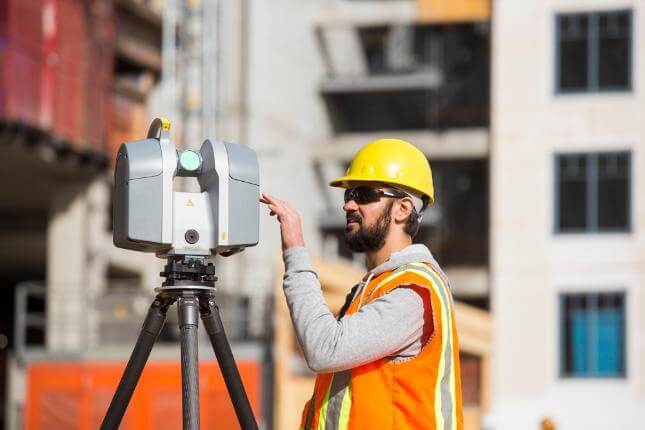
This process is carried out using high-precision equipment such as total stations, tilt sensors, crack gauges, and automated data logging systems.
Since structural integrity affects safety, compliance, and long-term performance, monitoring allows asset owners, contractors, and engineers to make informed decisions before risks escalate.
As construction activity, nearby excavation, or environmental factors can trigger subtle but dangerous changes in structures, a professionally implemented monitoring programme is essential for early detection and risk mitigation.
Request a free quote from Elite Structural Surveys experts in Littlehampton today.
What Is Structural Monitoring in Littlehampton?
Structural monitoring in Littlehampton is the measurement and analysis of structural behaviour over time to detect movements, displacements, or changes in load response.
It involves installing sensors or taking repeated manual measurements to track aspects such as settlement, tilting, vibration, and crack propagation.
Since many structural changes in Littlehampton are gradual and invisible to the eye, real-time monitoring offers valuable insight that traditional inspections cannot provide.
When Is Structural Monitoring in Littlehampton Required?
Structural monitoring in Littlehampton is required during construction projects that may affect nearby buildings, bridges, or infrastructure. It is required when heavy excavation, piling, or tunneling takes place close to existing structures.
Structural monitoring in Littlehampton is also required for high-rise developments, infrastructure upgrades, and projects near sensitive or historic buildings. It is required when there is a risk of ground movement, vibration, or settlement that could compromise safety.
Local authorities and regulators often require structural monitoring in Littlehampton as part of planning conditions to ensure compliance and protect surrounding properties.
Since building regulations and party wall agreements in Littlehampton often stipulate monitoring as a condition of consent, early engagement with a qualified surveyor or engineer ensures compliance and project continuity.
What Equipment Is Used in Structural Monitoring in Littlehampton?
Structural monitoring in Littlehampton uses specialized equipment to measure movement, vibration, and stress in buildings and infrastructure.
Total stations and robotic theodolites are used to track structural displacement with high precision.
Tiltmeters and inclinometers are used to measure angular movement and settlement. Strain gauges and crack monitors are used to detect stress changes and monitor crack development.
Vibration sensors and accelerometers are used to record ground movement and construction impacts.
Data loggers and automated monitoring systems are used to collect and transmit real-time measurements for engineers to assess structural safety.
As monitoring requirements vary by structure type, site risk, and regulatory needs in Littlehampton, equipment selection is tailored accordingly.
How Often Are Readings Taken in Littlehampton?
The frequency of readings in a structural monitoring programme in Littlehampton depends on project risk and the method used.
For high-risk sites or active works, readings may be taken every hour using automated systems.
For low-risk structures or long-term monitoring, readings may be scheduled daily, weekly, or monthly.
Since early detection is the primary goal, monitoring intervals in Littlehampton are set to capture meaningful changes without excessive data noise.
How Long Should Monitoring Be Maintained in Littlehampton?
A structural monitoring period in Littlehampton may last from a few weeks to several years, depending on the nature of the risk or structure.
Short-term monitoring is common during nearby construction, while long-term monitoring is typical for heritage assets, tunnels, bridges, or settlement-prone sites in Littlehampton.
As the data informs engineering decisions and risk strategies, duration is defined in consultation with the design and construction teams.
Is Structural Monitoring Required by Law in Littlehampton?
Structural monitoring is not always a legal requirement in Littlehampton, but it is often mandated under planning conditions, party wall awards, or construction method statements.
Since building owners, developers, and contractors have a duty of care under the CDM Regulations 2015, implementing a monitoring system demonstrates responsible risk management.
As insurers and local authorities in Littlehampton may request documented evidence of structural stability, a monitoring programme offers legal and technical reassurance.
How Much Does Structural Monitoring Cost in Littlehampton?
The cost of structural monitoring in Littlehampton is from £750 to £1,200.
Automated systems for large structures or remote data delivery may cost £2,500 to £10,000+, depending on scale and complexity.
The cost of structural monitoring in Littlehampton depends on several variables, including the number of monitoring points, duration, type of sensors, and reporting frequency.
A tailored quote is provided based on the number and type of sensors required, length of monitoring programme, access constraints and installation method and reporting and data analysis expectations.
What Are the Benefits of Structural Monitoring in Littlehampton?
Structural monitoring in Littlehampton offers real-time awareness and proactive control over structural behaviour, ensuring safer sites and smarter decision-making.
The key benefits include:
- Detects early signs of structural movement, settlement, or stress
- Reduces risk of failure during construction, demolition, or excavation
- Helps validate design assumptions and construction tolerances
- Supports compliance with planning, party wall, or insurance conditions
- Provides defensible evidence in case of disputes or claims
- Enables remote or live reporting for 24/7 oversight
- Supports long-term asset management and lifecycle planning
As structural failures can be both dangerous and costly, continuous monitoring delivers peace of mind backed by hard data.
Can Monitoring Be Carried Out on Historic or Listed Buildings in Littlehampton?
Structural monitoring in Littlehampton is widely used on historic or listed buildings, especially where alterations, adjacent development, or age-related deterioration are concerns.
Since such structures may be fragile or irreplaceable, non-invasive monitoring helps protect heritage assets while allowing modern works to proceed responsibly.
Data from monitoring is often shared with conservation officers, insurers, and structural engineers in Littlehampton to guide any necessary interventions.
What Types of Structures Can Be Monitored in Littlehampton?
Structural monitoring in Littlehampton can be applied to a wide range of structures, including buildings, bridges, retaining walls, tunnels, towers, cranes, chimneys, and temporary works.
Since different structures respond uniquely to load, movement, and environmental changes, each monitoring plan is designed to capture the specific behaviours relevant to the asset being observed.
As both permanent and temporary structures in Littlehampton are susceptible to change over time, monitoring is essential for structural health management and regulatory compliance.
How Is Data Collected and Reported in Littlehampton?
Structural monitoring data in Littlehampton is collected either manually during scheduled site visits or automatically using remote logging and telemetry systems.
As automated systems can transmit real-time measurements to cloud platforms, stakeholders are able to access live dashboards, charts, or alert notifications from any location.
Since many clients in Littlehampton require regular reporting for compliance or decision-making, data is typically analysed and issued in a structured report format showing trends, thresholds, and any deviations from expected values.
What Happens If Movement or Deformation in Littlehampton Is Detected?
If movement is detected during structural monitoring in Littlehampton, the monitoring team will notify the client immediately and provide an interpretation of the data, including the magnitude, direction, and rate of change.
Since any deviation beyond pre-agreed thresholds may indicate a structural concern, further investigation or engineering input is often required.
As part of the risk mitigation process, the monitoring plan in Littlehampton may be adjusted to increase frequency or expand sensor coverage based on the observed behaviour.
Can Structural Monitoring Be Installed Without Drilling or Damage in Littlehampton?
Many structural monitoring systems in Littlehampton are designed to be non-invasive, particularly on heritage assets, glazed facades, or sensitive environments.
Since wireless tilt sensors, crack monitors, and surface-mount targets can be affixed without penetration or permanent alteration, the risk of damage to the structure is minimal.
As temporary fixings or adhesives can often be used, monitoring is suitable for both listed buildings and recently completed structures in Littlehampton where integrity must be preserved.
How Do I Know What Type of Structural Monitoring in Littlehampton Is Needed?
The type of structural monitoring in Littlehampton required for your project depends on the structure’s risk profile, location, adjacent activities, and intended lifespan.
Since some projects involve short-term excavation near party walls and others require long-term monitoring of critical infrastructure, a tailored monitoring plan is developed in consultation with engineers or surveyors.
As part of the scoping process, the monitoring provider in Littlehampton will assess your project and recommend the most appropriate sensors, methods, and reporting intervals.
Is Elite Monitoring in Littlehampton Required for Party Wall Agreements?
Structural monitoring in Littlehampton is often required as a condition of party wall agreements in Littlehampton, particularly where excavation, basement works, or piling may affect a neighbouring structure.
Since Party Wall surveyors must ensure reasonable steps are taken to avoid damage, real-time or periodic monitoring helps demonstrate that movement thresholds are being managed.
As evidence collected through monitoring can be used in dispute resolution or legal defence in Littlehampton, it is widely adopted in high-density urban construction.
Can Monitoring Be Combined with a Building Condition Survey in Littlehampton?
Many projects combine structural monitoring in Littlehampton with initial condition surveys or photographic schedules of condition to create a complete picture of the structure’s status before, during, and after works.
Since monitoring captures quantitative movement data and condition surveys record visual or cosmetic issues, using both methods together enhances accountability and risk management.
As part of the project documentation, both sets of data can be submitted to insurers, planners, or project managers in Littlehampton.
Does Monitoring Require Planning Permission in Littlehampton?
Structural monitoring in Littlehampton does not usually require planning permission, particularly when installed temporarily or using non-invasive techniques.
As monitoring is considered a risk mitigation and safety measure, most local authorities support its use, especially where structural concerns or party wall obligations are involved.
If large or permanent installations are planned in Littlehampton, such as masts, cabling, or monitoring cabins, consultation with the planning team may be advised.
Can Structural Monitoring Detect Subsidence in Littlehampton?
Structural monitoring in Littlehampton can detect subsidence or differential settlement, particularly when using high-precision levelling or automated displacement sensors.
Since subsidence often causes slow, progressive movement, monitoring allows early detection before visible cracks or structural damage occur.
As insurers and engineers in Littlehampton rely on evidence to determine the cause and extent of movement, monitored data supports both claim validation and remedial design.
How Quickly Can Monitoring Be Set Up in Littlehampton?
Structural monitoring in Littlehampton can typically be deployed within 24 to 72 hours, depending on the type of system, site access, and required sensors.
Since many projects require monitoring to be in place before construction or demolition starts, early coordination ensures the system is live before any ground movement or vibration is introduced.
For high-risk or emergency sites, rapid mobilisation options in Littlehampton are available with remote data access enabled from day one.
Request a Free Quote for Elite Structural Monitoring in Littlehampton Today
Structural monitoring in Littlehampton is a crucial component of safe and responsible development, offering early warning systems for movement, instability, or excessive load.
Since the consequences of undetected structural change can be severe, from insurance claims to complete failure, investing in a tailored monitoring solution delivers both protection and performance.
Whether you’re overseeing a complex urban build, managing a heritage asset, or responding to existing damage, our expert monitoring systems provide clarity, compliance, and confidence.
Get a free quote from Elite Structural Monitoring in west-sussex today, and protect your structure with proven, precision-based monitoring expertise.
Find More Info
Make sure you contact us today for a number of great elite structural monitoring services in South East.
Here are some towns we cover near Littlehampton BN17 5
Bognor Regis, West Sussex, Worthing, Worthing, BarkingFor more information on Elite Structural Monitoring in Littlehampton BN17 5, fill in the contact form below to receive a free quote today.
★★★★★
Elite Structural Monitoring supported our basement excavation project in Kensington, and their professionalism was outstanding. The team installed the sensors quickly and provided clear, real-time reports that helped us stay fully compliant with our Party Wall requirements. Their proactive communication made the whole process smooth and stress-free.
Jonathan Mercer
West Sussex
★★★★★
We used Elite Structural Monitoring during the restoration of a listed building in York, and the quality of service was exceptional. The engineers were meticulous, respectful of the property, and explained every stage of the monitoring setup. Thanks to their accurate data and prompt updates, we avoided potential movement issues and kept the conservation team reassured throughout.
Amelia Cartwright
West Sussex